

Key facts
- The Commerce Department issued new licensing requirements aimed at further cutting off Chinese access to advanced US chips two days before Trump landed in Shenzhen.1
- For Chinese leader Xi Jinping, hosting US President Donald Trump in the futuristic city of Shenzhen was a chance.1
- The meeting was the third time the two heads of state had met this year.1
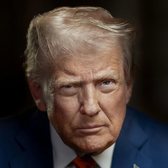
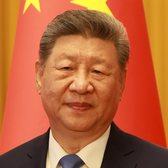
For Chinese leader Xi Jinping, hosting US President Donald Trump in the futuristic city of Shenzhen was a chance to show just how far the nation’s high-tech industry has come.1
Like the last two times, the meeting itself was a sign of reassurance for what has become a bitter and bruising rivalry.1
A fragile truce
A tentative economic ceasefire between the US and China was already on shaky ground.1
When Trump and Xi last convened in Washington, DC in September, they extended a trade agreement from October 2025, which included a rollback of US tariffs in exchange for Chinese commitments to buy more US agricultural products and loosen restrictions on rare earth exports.1
Officials said the two-month extension, set to expire January 10, would allow them to assess whether China could alleviate US concerns that it was coming up short on its original pledges.1
The day before Xi greeted Trump warmly at the foot of Air Force One, the Chinese Ministry of Commerce warned: “If the US insists on this direction, China will take countermeasures and firmly safeguard its national sovereignty, security and development interests.”1
The new restrictions were called “a typical case of economic coercion” by China’s Ministry of Foreign Affairs.1
Nvidia at the center
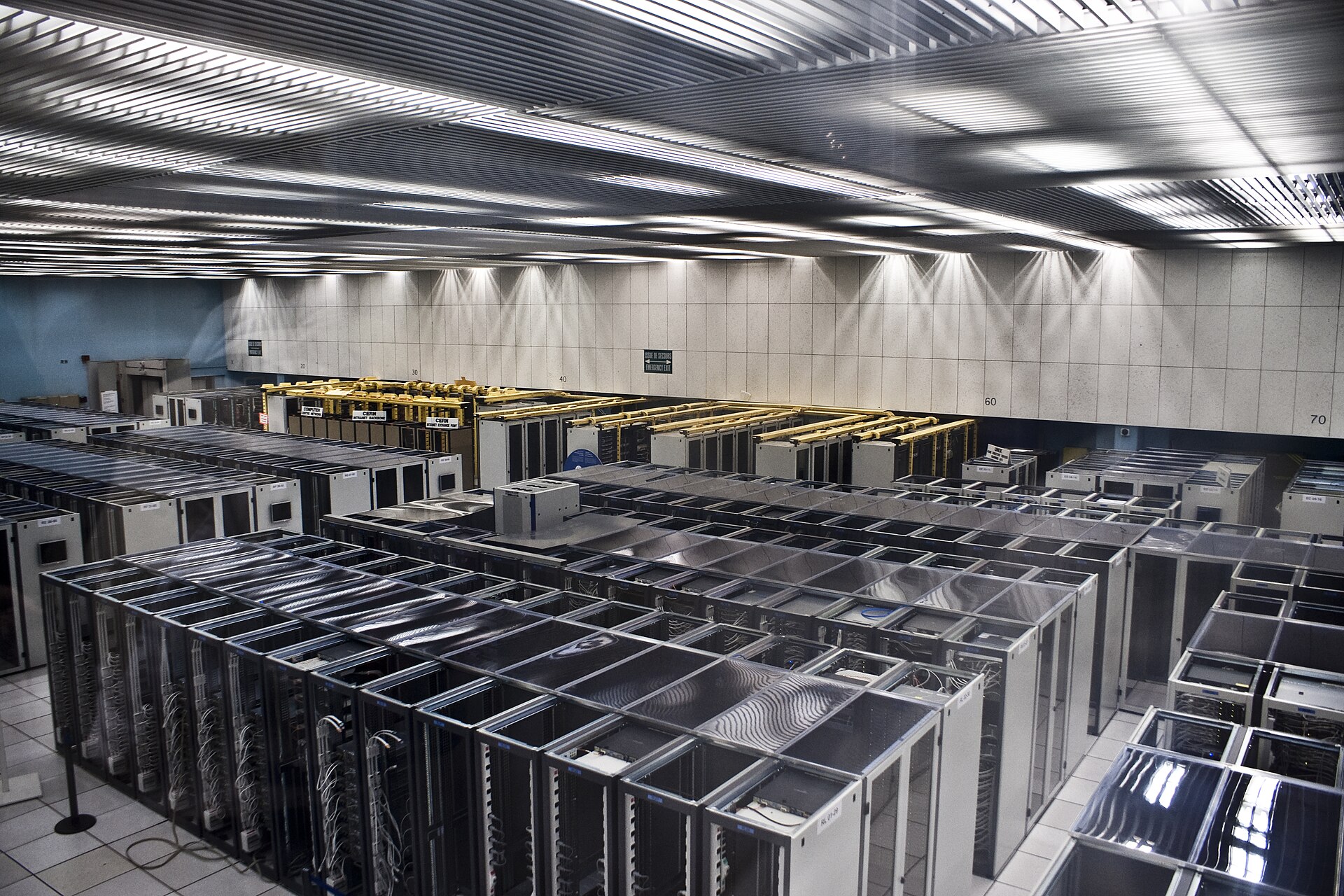
Allegations that Jensen Huang, who until recently helmed the $4 trillion chip titan Nvidia, was having an affair with a woman suspected of working with Chinese intelligence, have reignited fears of America’s best technology falling into adversarial hands.1
Benjamin Kostrzewa, an international trade law expert and Hong Kong-based partner at the law firm Hogan Lovells Cadwalader, said, “With the fallout of Nvidia and these new export control rules landing just before the summit, I think the uneasy truce between the US and China is even more fragile.”1
Jyh-An Lee, law professor and executive director of the Centre for Legal Innovation and Digital Society at The Chinese University of Hong Kong, said, “The political climate is now quite different.”1
Otherwise, there was little concrete progress on trade or technological cooperation.1
In a Wednesday interview with Fox News, Trump said he raised Huang briefly with Xi, only to lament the “tragedy” of the Nvidia co-founder stepping down.1
Chinese officials have decried allegations that Beijing was using Huang’s affair to obtain sensitive information as baseless attempts to smear China.1