

Key facts
Judges have ruled against President Donald Trump at an unprecedented clip during his second term, but time and again the administration has found ways to do what he wants regardless.1
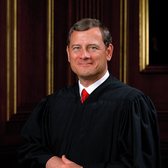
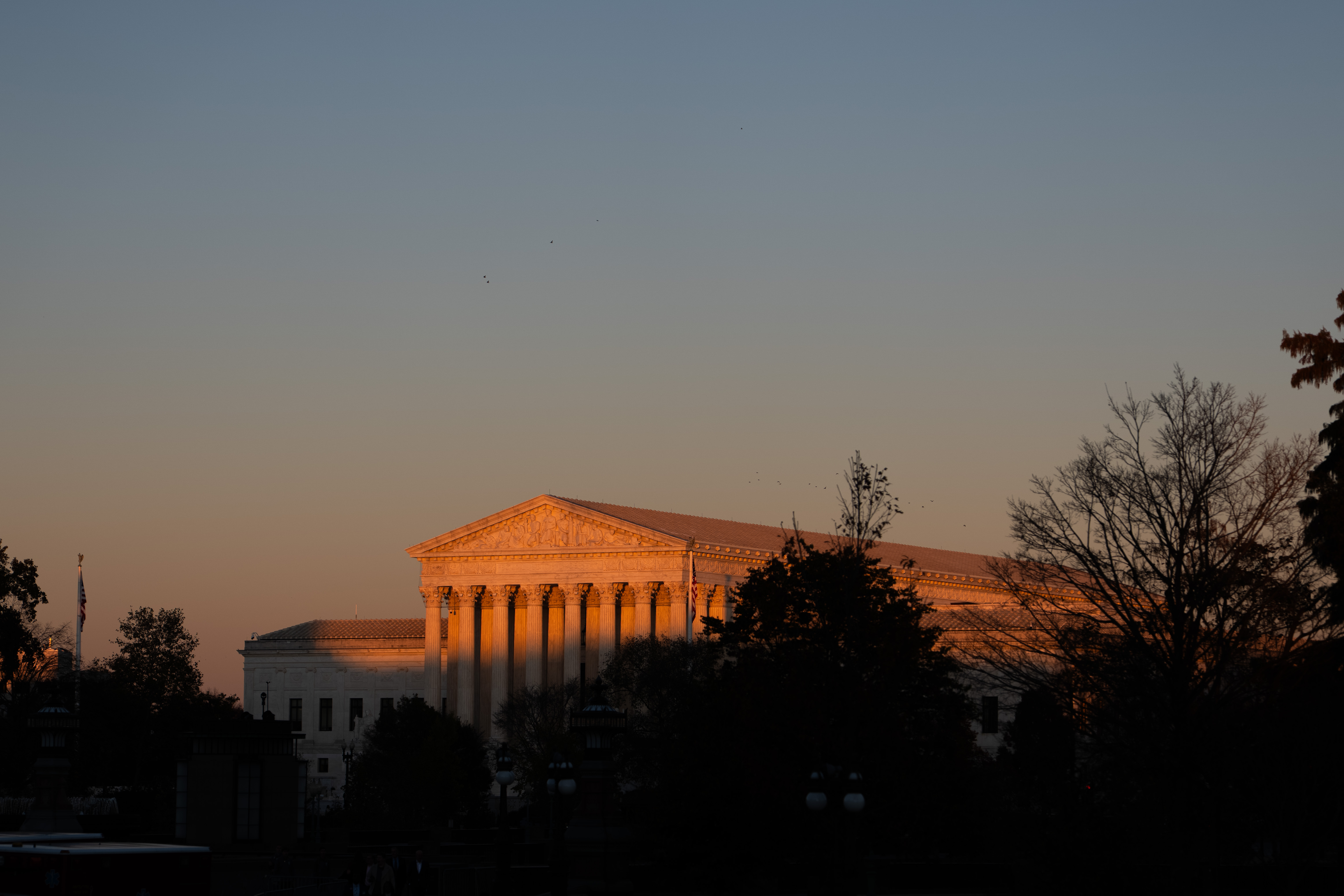
The Supreme Court killed a suit against Trump’s White House ballroom on a technicality, though Chief Justice John G. Roberts Jr. wrote that the project was “likely unlawful.”1
Breakneck construction has ensured the ballroom project should be done before any court can stop it.1
A Playbook for Stymieing Oversight
The high court struck down Trump’s sweeping tariffs, but he sidestepped that narrow ruling by using other legal authorities to reconstitute his import levies on about 60 countries.1
Government lawyers said they would notify a federal judge before starting work on Trump’s project to turn D.C.'s East Potomac Golf Links into a championship course, then abruptly gave notice and bulldozed 400 trees on a holiday weekend.1
The judge said she had “trusted you all not to do precisely what you have done.”1
The administration has employed a kind of legal jujitsu, using the courts' cautious pace, preference for narrow rulings and traditional presumption that the executive branch is being forthright to gain advantage.1
The playbook could be a preview of how the Trump administration may try to stymie oversight and investigations promised by the new Democratic majority in Congress that takes over in January.1
A Record of Legal Aggression
Legal experts said the administration’s aggressive legal tactics have blunted the impact of the courts' traditional role as a check on the executive branch and done damage to the relationship between judges and the Justice Department that could outlive Trump’s tenure.1
David Super is a Georgetown University law professor who has focused on Trump’s interaction with the courts.1
“This administration doesn’t respect some orders that are not legally binding and some orders that are,” Super said. “They just rush ahead. Judges who are accustomed to the Justice Department bending over backwards to be compliant are surprised and shocked.”
The Justice Department did not respond to a request for comment, but the administration has repeatedly accused the lower courts of bias and has tried to remove judges from cases.1
A Fast Track to Victory
The White House said in a statement that the administration is abiding by court orders and going through proper legal reviews for its projects.1
The White House said Trump is acting quickly to fulfill promises to voters.1
Trump issued more executive orders in the first 100 days back in office than any other president.1
The White House has a term for it: “Trump speed.”1
While the cases wound through the courts, a crew of 250 worked 20 hours a day, seven days a week on the project.1
By the time a lawsuit reached the Supreme Court in August, Solicitor General D. John Sauer told the justices the project was 65 percent complete - and too far along to stop.1
“That line has long since been crossed,” Sauer said.
The administration has used the same tactic elsewhere.1
Trump officials plunged forward with a controversial paint job on the Reflecting Pool this summer.1